




Creating Custom Recipes with Your Frozen Fresh Noodle Production Line: Unlocking Culinary Potential
Time:
12 Jan,2025
1. Introduction to Frozen Fresh Noodle Production
In the competitive food industry, having the ability to create **custom recipes** can significantly differentiate your brand. Utilizing a frozen fresh noodle production line allows culinary innovators to blend traditional recipes with modern techniques, resulting in unique noodle products that appeal to various consumer tastes. This article will guide you through the intricacies of leveraging your noodle production capabilities to create custom recipes that resonate with your target audience.
2. The Importance of Custom Recipes in the Food Industry
Custom recipes play a crucial role in the food sector for several reasons:
2.1 Meeting Diverse Consumer Needs
For businesses to thrive, they must cater to the diverse preferences of their clientele. Custom recipes enable manufacturers to offer **gluten-free**, **vegan**, or **high-protein** noodle options, attracting a broader customer base.
2.2 Differentiating Your Brand
In a crowded marketplace, unique recipes can set your brand apart. Specialties in taste, texture, or ingredient sourcing can lead to increased brand loyalty and recognition.
2.3 Enhancing Culinary Creativity
Creating custom recipes encourages innovation. It allows chefs and product developers to experiment with new flavors, textures, and presentations, ultimately enriching the dining experience for consumers.
3. Understanding Your Frozen Fresh Noodle Production Line
To effectively create custom recipes, it is essential to thoroughly understand your production line.
3.1 Components of the Production Line
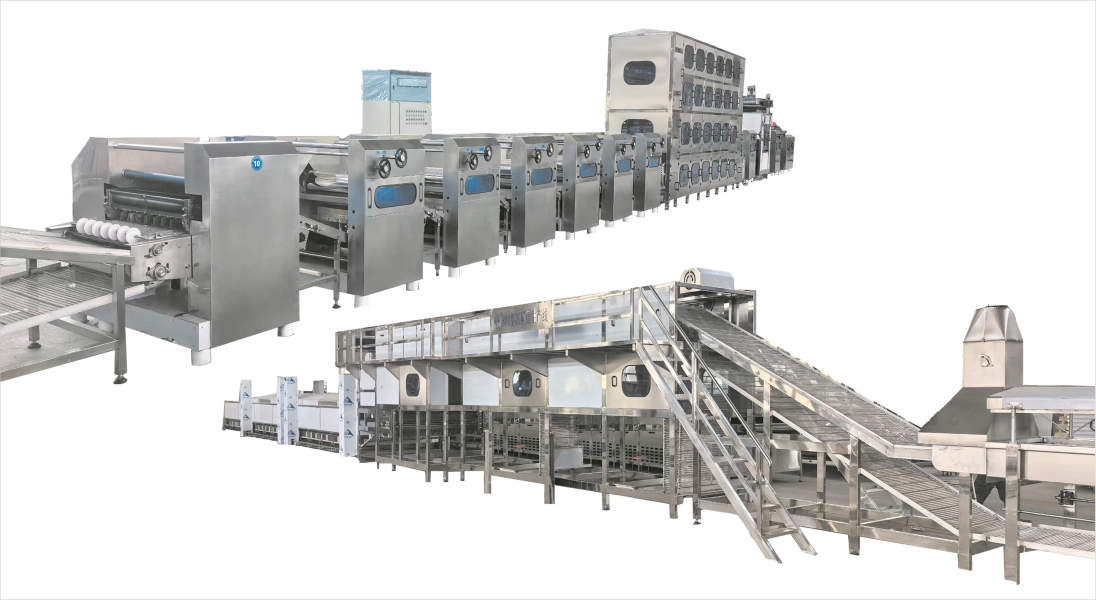
A typical frozen fresh noodle production line includes:
- **Mixing Equipment**: For thorough blending of ingredients.
- **Kneading Machines**: To achieve the desired noodle texture.
- **Extrusion Machines**: To shape the noodles.
- **Cooling Systems**: Essential for preserving freshness.
- **Freezing Equipment**: For efficient storage and extended shelf life.
3.2 Adjusting Production Parameters
Understanding how to adjust parameters like temperature, humidity, and mixing time can help develop custom recipes that maintain quality and consistency.
4. Key Ingredients for Noodle Production
The choice of ingredients is critical in recipe development. Here are key components to consider:
4.1 Flour Selection
The type of flour used (e.g., wheat, rice, or gluten-free alternatives) significantly affects the noodle’s texture and flavor. Experimenting with blends can yield unique results.
4.2 Additives and Flavorings
Incorporating natural additives such as spices, herbs, or vegetable powders can enhance flavor profiles. For example, adding spinach powder can create a vibrant green noodle rich in nutrients.
4.3 Hydration Levels
Manipulating water content influences the elasticity and chewiness of noodles. Finding the right balance is crucial for the desired end product.
5. The Recipe Development Process
Creating custom recipes is an iterative process that involves experimentation and refinement.
5.1 Conceptualization
Begin with brainstorming sessions to outline potential flavors and noodle types. Collaborate with chefs and food scientists to map out ideas.
5.2 Prototyping
Develop prototypes of your recipes. Use small batches to test various ingredient combinations and production settings.
5.3 Testing and Feedback
Conduct taste tests with target consumers to gather feedback. Analyze the results to identify areas for improvement.
5.4 Finalizing Recipes
Based on feedback, refine your recipes until you achieve the desired product. Ensure all adjustments maintain production feasibility and quality.
6. Tips for Creating Custom Recipes
To maximize the success of your custom recipes, consider these expert tips:
6.1 Focus on Quality Ingredients
Always prioritize high-quality ingredients. They contribute to better flavor, texture, and overall consumer satisfaction.
6.2 Keep Consumer Preferences in Mind
Stay updated on consumer trends and preferences to ensure your recipes align with market demands.
6.3 Document the Process
Maintain detailed records of ingredient ratios and production methods for consistency and scalability.
6.4 Be Open to Innovation
Don’t hesitate to innovate. The culinary landscape is ever-evolving, and staying ahead can lead to exciting new offerings.
7. Market Trends and Consumer Preferences in Noodle Products
Understanding current market trends is vital for crafting recipes that resonate with consumers.
7.1 Emphasis on Health
Today’s consumers are increasingly health-conscious. Offering recipes that feature whole grains, added proteins, or superfoods can tap into this demand.
7.2 Convenience is Key
With busy lifestyles, there’s a growing preference for quick and easy meal solutions. Custom recipes tailored for quick preparation can appeal to time-strapped consumers.
7.3 Global Flavors
Global cuisine continues to influence consumer preferences. Incorporating international flavors into your noodle recipes can attract adventurous eaters.
8. Packaging and Preservation of Frozen Noodles
Effective packaging is crucial for maintaining the quality of frozen noodles.
8.1 Choosing the Right Packaging Materials
Select materials that preserve freshness and prevent freezer burn. Vacuum-sealed bags or airtight containers are excellent options.
8.2 Labeling for Consumer Appeal
Ensure your packaging includes enticing labels that highlight the unique qualities of your custom recipes. Use bold colors and clear fonts to capture attention.
8.3 Storage Guidelines
Provide clear guidelines for consumers on how to store and prepare frozen noodles for the best results.
9. Conclusion
Creating custom recipes with your frozen fresh noodle production line opens a world of culinary possibilities. By understanding your production capabilities, selecting quality ingredients, and staying attuned to market trends, you can develop unique noodle offerings that satisfy consumer demands and elevate your brand in the competitive food landscape.
Related Links
Contact Information
Guojian Machinery Manufacturing Co., Ltd.
Factory Address:No.5288-8,Heshuo Blvd, Industrial Gathering Area ,Wuzhi Country Jiaozuo City, Henan Province
Copyright © 2024 Guojian Machinery Manufacturing Co., Ltd. Supports IPV6