




Enhancing Efficiency and Quality in Dried Noodle Production Lines
Time:
13 Jun,2025
The production of dried noodles involves several critical phases, each contributing to the overall quality of the final product. A quality dried noodle production line typically includes mixing, kneading, rolling, cutting, drying, and packaging processes. Each of these stages must be carefully controlled to ensure that the noodles maintain their desired texture, flavor, and nutritional value.
1. Ingredient Selection and Mixing: The foundation of high-quality dried noodles begins with selecting the right ingredients, such as flour, water, and additives. The mixing phase should ensure a homogenous dough, which is vital for consistent noodle quality. Automated mixing systems can enhance precision and reduce manual labor, thus improving efficiency.
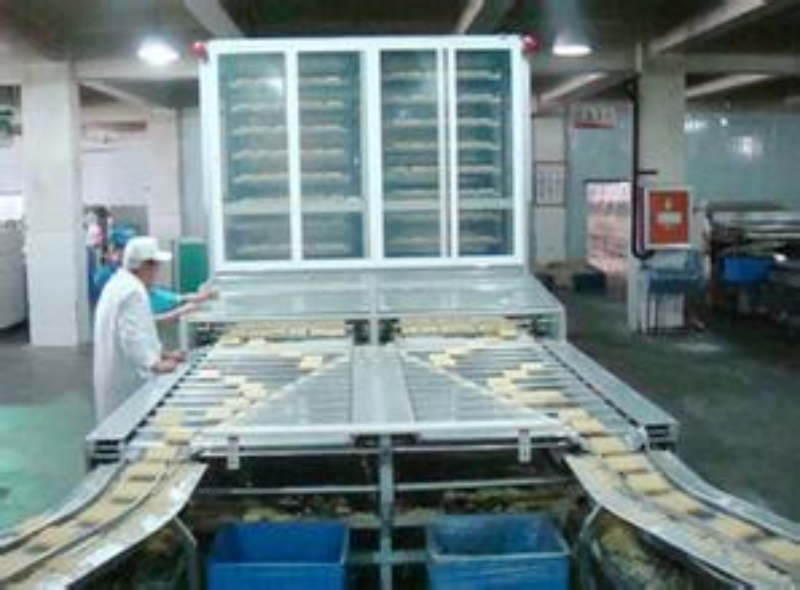
2. Kneading and Rolling: Kneading is essential for developing gluten, which gives noodles their elasticity. A quality dried noodle production line uses advanced kneading machines that provide optimal mixing times and pressure levels. Following kneading, the dough is rolled to achieve the desired thickness, with modern rolling machines allowing for adjustable thickness settings to cater to different noodle styles.
3. Cutting and Shaping: The cutting process shapes the noodles to the desired length and width. Automated cutting machines can ensure uniformity and reduce waste. Innovations in cutting technology, such as laser cutting, can also enhance the precision of the noodle shapes, contributing to a more appealing final product.
4. Drying Process: Drying is one of the most crucial steps in noodle production. The quality of the dried noodle is significantly affected by the drying method used. Continuous drying systems, such as belt dryers, ensure even drying and help retain the noodles' flavor and nutritional content. Maintaining the right temperature and humidity levels during this stage is essential to prevent spoilage or texture degradation.
5. Packaging: Finally, the packaging process protects the noodles from external elements and extends shelf life. Automated packaging lines can streamline this process, ensuring that the noodles are sealed properly and labeled accurately.
To enhance the overall efficiency of a quality dried noodle production line, manufacturers can leverage automation and smart technologies. Implementing real-time monitoring systems can help track production parameters and maintain consistent quality. Additionally, regular maintenance and training for staff on equipment operation are essential to minimize downtime and maximize productivity.
A quality dried noodle production line is a combination of advanced machinery, optimal ingredient selection, and precise control over each production stage. Manufacturers who invest in understanding and improving these processes will not only enhance their product quality but also gain a competitive edge in the market.
Related Links
Contact Information
Guojian Machinery Manufacturing Co., Ltd.
Factory Address:No.5288-8,Heshuo Blvd, Industrial Gathering Area ,Wuzhi Country Jiaozuo City, Henan Province
Copyright © 2024 Guojian Machinery Manufacturing Co., Ltd. Supports IPV6