




From Dough to Delicious: Exploring Hand Plate Noodle Production Lines
Time:
10 Feb,2025
1. Introduction to Hand Plate Noodle Production Line
Hand plate noodles, cherished in many culinary traditions, are more than just a staple food; they are a cultural symbol. The process of making these noodles marries art with science, transforming basic ingredients into a product that delights palates worldwide. This article aims to provide an in-depth exploration of the entire production line, dissecting each step from dough preparation to the final product.
2. The Importance of Noodle Quality in Food Production
Quality is paramount in noodle production. Factors such as texture, flavor, and appearance greatly impact consumer satisfaction and, consequently, the success of food manufacturers. High-quality noodles are characterized by their elasticity and ability to absorb flavors. Understanding and controlling these factors during production is crucial for achieving consistent results.
3. Ingredient Selection: The Foundation of Great Noodles
3.1 Types of Flour Used in Noodle Production
The cornerstone of noodle production is flour. Different types of flour, including wheat, rice, and buckwheat, contribute various textures and flavors to the noodles. Wheat flour, particularly high-gluten flour, is favored for its elasticity, while rice flour is preferred in gluten-free products.
3.2 Additional Ingredients for Flavor and Texture
In addition to flour, other ingredients such as water, salt, and sometimes egg or starch are added to enhance flavor and improve the noodle's texture. The right balance of these ingredients can elevate a simple noodle to a gourmet dish.
4. The Production Process: From Dough to Noodles
The production of hand plate noodles involves several critical steps:
4.1 Mixing
The initial stage is mixing the chosen ingredients. This process requires precision to ensure the right dough consistency.
4.2 Kneading
Once mixed, the dough is kneaded. This step is vital for developing gluten, which gives noodles their characteristic chewiness.
4.3 Resting
Resting the dough is essential to relax the gluten, making it easier to roll out and shape.
4.4 Rolling and Cutting
The dough is then rolled out into thin sheets, which can be cut into various shapes and sizes depending on the desired noodle type.
4.5 Steaming and Drying
Post cutting, the noodles undergo steaming to ensure they are fully cooked. Some manufacturers opt to dry their noodles for longer shelf life.
5. The Role of Machinery in Noodle Production
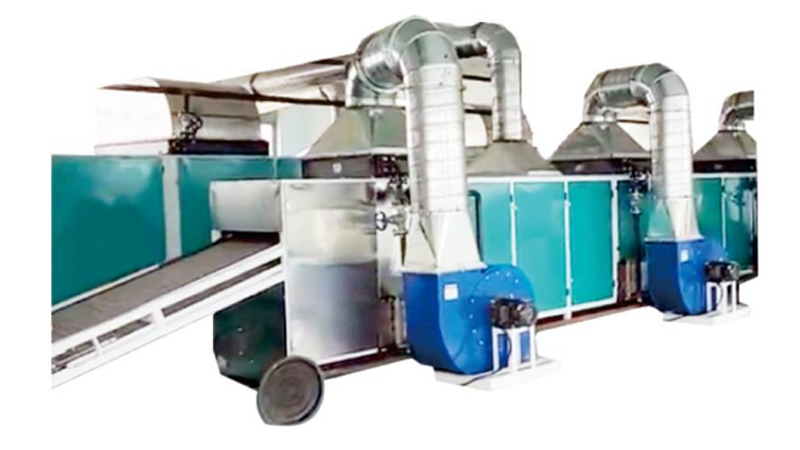
Modern noodle production lines incorporate advanced machinery designed to streamline the manufacturing process.
5.1 Overview of Noodle Production Machinery
Key machines include mixers, kneaders, and cutters, each engineered to enhance efficiency while maintaining the quality of the final product.
5.2 Automation vs. Traditional Methods
Automation has revolutionized noodle production, allowing for high-volume output while ensuring consistency. However, traditional hand-press methods are still cherished for their ability to produce artisanal noodles.
6. Innovations in Noodle Production: Technology Meets Tradition
The noodle production industry is witnessing a surge in innovation, blending age-old techniques with cutting-edge technology.
6.1 Smart Manufacturing Techniques
The integration of IoT (Internet of Things) and AI (Artificial Intelligence) in manufacturing processes allows for real-time monitoring and adjustments, ensuring optimal conditions for noodle quality.
6.2 Eco-Friendly Packaging Solutions
Innovations are also evident in packaging, with manufacturers adopting biodegradable materials to minimize environmental impact.
7. Quality Control in Noodle Manufacturing
Quality control is an integral aspect of noodle production. Regular testing of ingredients, monitoring of production processes, and final product inspections ensure that only high-quality noodles reach consumers.
7.1 Testing Methods for Noodle Quality
Various testing methods, including texture analysis and taste testing, play a significant role in maintaining quality standards.
7.2 Certifications and Standards
Adhering to food safety regulations and obtaining necessary certifications is crucial for manufacturers to gain consumer trust.
8. Sustainability in Noodle Production: A Growing Concern
With increasing awareness about environmental issues, the noodle production industry is shifting towards more sustainable practices.
8.1 Sourcing Ingredients Responsibly
Sourcing ingredients from sustainable farms and utilizing eco-friendly production methods are key steps in reducing the industry's carbon footprint.
8.2 Reducing Waste in Production
Implementing strategies to minimize waste, such as reusing byproducts, is becoming more common, ensuring that noodle production is not only efficient but also environmentally friendly.
9. Conclusion
The journey from dough to delicious hand plate noodles is a fascinating blend of art, science, and tradition. Understanding the intricacies of the noodle production process, from ingredient selection to the role of technology, can enhance appreciation for this culinary staple. As the industry continues to evolve, focusing on sustainability and quality will undoubtedly shape the future of noodle manufacturing, making it a delicious journey worth exploring.
Related Links
Contact Information
Guojian Machinery Manufacturing Co., Ltd.
Factory Address:No.5288-8,Heshuo Blvd, Industrial Gathering Area ,Wuzhi Country Jiaozuo City, Henan Province
Copyright © 2024 Guojian Machinery Manufacturing Co., Ltd. Supports IPV6