




Quality Braised Noodle Production Line: Streamlining Your Production Process
Time:
11 Apr,2025
In today’s competitive food processing industry, having a **high-quality braised noodle production line** is essential. Not only does it ensure that your product meets consumer expectations, but it also enhances operational efficiency and reduces costs. The production line serves as the backbone of your manufacturing capability, affecting everything from ingredient handling to final packaging.
Key Components of a Braised Noodle Production Line
A well-designed braised noodle production line comprises various components, each playing a significant role in the overall efficiency and quality of the final product.
1. Ingredient Preparation
The first step in the production process is the **ingredient preparation** phase. This stage involves selecting high-quality flour, water, and other ingredients necessary for producing braised noodles. The importance of sourcing fresh and high-quality ingredients cannot be overstated, as they directly affect the taste and texture of the final product.
2. Mixing and Kneading
Once the ingredients are prepared, they must be mixed and kneaded to form a dough. **Automated mixing and kneading machines** can ensure consistent quality and reduce manual labor. This stage is critical as it determines the elasticity and texture of the noodles.
3. Sheet Formation
After kneading, the dough is then processed into thin sheets. **Sheeting machines** are utilized to achieve even thickness, which is crucial for cooking consistency. Advanced technology allows for precise control over the thickness of the sheets.
4. Cutting and Shaping
The next step involves cutting the sheets into the desired noodle shape and size. **Cutting machines** can be customized to produce various noodle shapes, enhancing your product offerings. Precision in this stage ensures uniform cooking and better aesthetic appeal.
5. Cooking and Braising
Cooking the noodles is where the magic happens. The noodles are often steamed or boiled, followed by a braising process that infuses flavor. **Automated cooking systems** control temperature and time, ensuring that each batch meets quality standards.
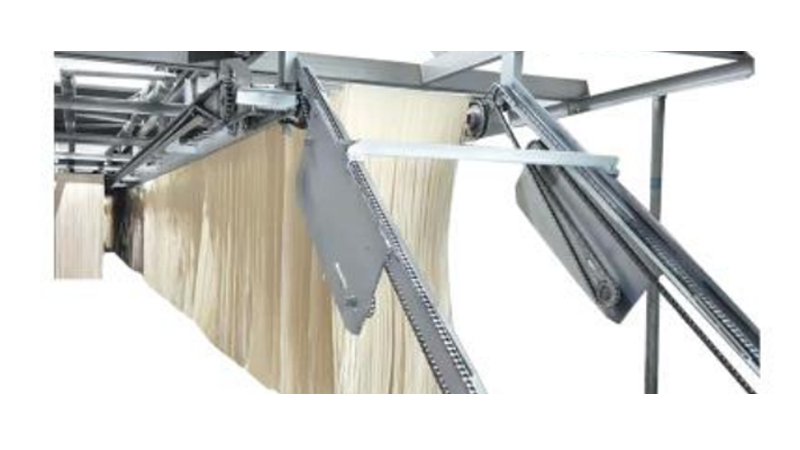
6. Cooling and Drying
Post-cooking, the noodles need to be cooled and dried properly to prevent clumping. This is typically done using **cooling tunnels** and **drying equipment** that maintain optimal moisture levels, ensuring a longer shelf life.
7. Packaging
The final step in the production line is packaging. Effective packaging solutions not only preserve the quality of the noodles but also enhance shelf appeal. **Automated packaging systems** allow for faster production times and consistent packaging quality.
Benefits of Implementing a Quality Braised Noodle Production Line
Investing in a quality braised noodle production line offers numerous advantages that can significantly enhance your business operations.
1. Improved Efficiency
With automated systems in place, your production capacity increases without a corresponding rise in labor costs. Machines can operate continuously and handle multiple tasks, reducing downtime and enhancing productivity.
2. Consistent Quality
Quality control is essential in the food industry. Automated processes minimize human error, ensuring that each batch of noodles meets your stringent quality standards. This consistency helps build brand reputation and consumer trust.
3. Cost Reduction
Despite the initial investment in technology, a streamlined production line can lead to significant cost savings over time. Reduced labor costs, minimized waste, and efficient resource utilization all contribute to a healthier bottom line.
4. Enhanced Flexibility
Modern production lines are often designed with flexibility in mind, allowing for quick adjustments in production to meet market demands. Whether it’s introducing new flavors or changing packaging sizes, a versatile production line can adapt swiftly.
5. Compliance with Food Safety Standards
Investing in upgraded equipment and processes helps in meeting local and international food safety regulations. Automated systems facilitate better hygiene practices, reducing the risk of contamination.
Choosing the Right Equipment for Your Braised Noodle Production Line
Selecting the appropriate equipment is crucial for optimizing your production line. Here’s a breakdown of what to consider when choosing the right machines.
1. Assessing Production Capacity
Before investing in equipment, determine your production needs. Consider factors such as the volume of noodles you plan to produce daily and the types of noodles you wish to offer. This assessment will guide you in selecting machines with the appropriate capacity.
2. Technology Features
Look for advanced technology features that enhance efficiency. Features such as programmable controls, energy efficiency, and ease of maintenance can significantly impact long-term operational success.
3. Supplier Reliability
Partnering with reputable suppliers ensures you receive high-quality equipment and reliable after-sales support. Researching suppliers and reading customer reviews can help you make an informed decision.
4. Cost-Benefit Analysis
Conduct a thorough cost-benefit analysis before making any purchases. While cheaper options may seem attractive, investing in higher-quality machines often pays off in terms of durability and performance.
Streamlining Your Production Process: Best Practices
Implementing best practices is essential for ensuring that your production line operates smoothly and efficiently.
1. Regular Maintenance
Routine maintenance of equipment is vital to prevent unexpected breakdowns. Establish a maintenance schedule that includes regular checks and servicing of all machinery.
2. Training Staff
Invest in training your staff on the operation of new equipment and production techniques. Properly trained employees can operate machinery efficiently, reducing the chances of errors and accidents.
3. Quality Control Measures
Incorporate strict quality control measures at every stage of production. Frequent sampling and testing will help maintain product quality and ensure compliance with safety standards.
4. Efficient Inventory Management
Adopt an efficient inventory management system to reduce waste and ensure optimal use of raw materials. Keeping track of ingredient levels helps prevent production halts due to shortages.
Innovations in Braised Noodle Production Technology
Advancements in technology are continuously evolving the food processing industry. Staying updated on the latest innovations can give your production line a competitive edge.
1. Automation and AI
The integration of automation and artificial intelligence in food processing enhances operational efficiency. Smart systems can analyze production data in real-time, optimizing processes and reducing human intervention.
2. Sustainable Practices
Sustainability is becoming increasingly important in the food industry. Implementing energy-efficient machines and sustainable packaging solutions can appeal to environmentally-conscious consumers.
3. Quality Assurance Technologies
Emerging technologies such as vision systems and sensors can be used for quality assurance. These systems can detect imperfections in dough or final products, ensuring only the highest quality noodles reach consumers.
Conclusion
In conclusion, investing in a **quality braised noodle production line** is essential for optimizing your production processes and ensuring the highest product quality. By understanding the critical components, benefits, and best practices, you will be better equipped to streamline your operations effectively. As technology continues to advance, staying informed about the latest innovations will keep your production line competitive and aligned with industry standards. Embrace the opportunity to enhance your production capabilities and meet the growing demand for high-quality braised noodles.
Related Links
Contact Information
Guojian Machinery Manufacturing Co., Ltd.
Factory Address:No.5288-8,Heshuo Blvd, Industrial Gathering Area ,Wuzhi Country Jiaozuo City, Henan Province
Copyright © 2024 Guojian Machinery Manufacturing Co., Ltd. Supports IPV6