




Unlocking Efficiency: The Comprehensive Benefits of a Wholesale Noodle Production Line
Time:
13 May,2025
1. Introduction to Wholesale Noodle Production Lines
In the ever-evolving world of food production, efficiency and quality are paramount. A wholesale noodle production line represents a significant advancement in food processing technology, tailored to meet the growing demand for noodles worldwide. With automated systems and state-of-the-art machinery, these production lines streamline the manufacturing process, ensuring both speed and product consistency.
2. The Growing Demand for Noodles in the Global Market
Noodles are a staple in many cultures, prized for their versatility and ease of preparation. The global noodle market has witnessed an unprecedented surge in demand, driven by factors such as increasing population, urbanization, and changing dietary preferences. As consumers seek convenient meal options, businesses that invest in wholesale noodle production lines position themselves to capitalize on this burgeoning market.
3. Key Components of a Wholesale Noodle Production Line
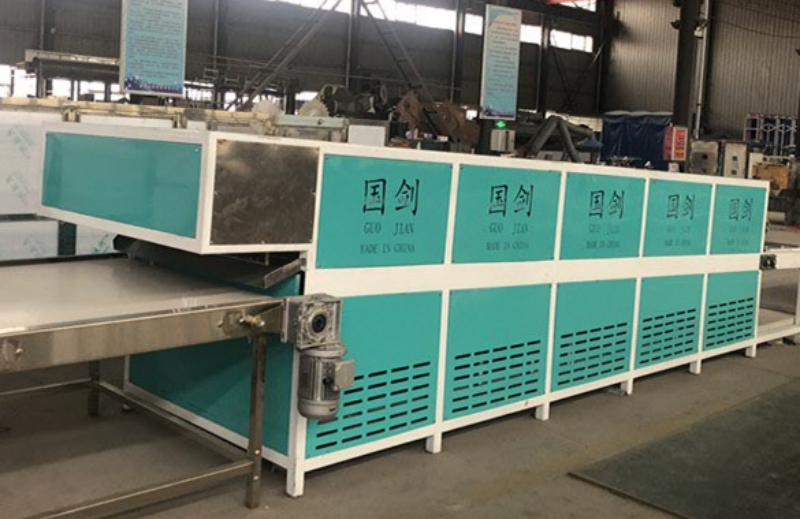
A wholesale noodle production line typically comprises several key components, each designed to optimize the production process:
- Mixing Unit: Combines flour, water, and other ingredients to create the dough.
- Extruder: Shapes the dough into various noodle forms.
- Cooking Unit: Prepares the noodles to the desired texture.
- Cooling System: Rapidly cools the noodles to prevent further cooking.
- Packaging Unit: Packages the finished product for distribution.
These components work in harmony to produce high-quality noodles efficiently.
4. Advantages of Investing in a Wholesale Noodle Production Line
Investing in a wholesale noodle production line offers numerous benefits for food manufacturers. Below, we delve deeper into these advantages.
4.1 Enhanced Production Efficiency
One of the most significant advantages of a wholesale noodle production line is the enhanced production efficiency it offers. By automating various stages of production, manufacturers can achieve higher output levels without compromising quality. This efficiency is crucial for meeting consumer demand and staying competitive in the market.
4.2 Cost-Effectiveness in Production
A well-optimized wholesale noodle production line reduces operational costs significantly. Automation minimizes labor costs and reduces the risk of human error, leading to lower waste and higher profitability. Additionally, the efficient use of ingredients contributes to overall cost savings.
4.3 Consistent Product Quality
Quality control is a critical factor in food production. With a wholesale noodle production line, manufacturers can ensure a consistent product quality. Automated processes reduce variability, allowing for precise control over ingredients and cooking times. This consistency not only satisfies consumer expectations but also enhances brand reputation.
4.4 Improved Labor Productivity
With advanced machinery handling the bulk of the work, human labor can be focused on value-added tasks such as quality assurance and packaging. This shift leads to improved labor productivity, enabling workers to contribute more effectively to the overall production process.
4.5 Flexibility and Customization
Modern noodle production lines offer a degree of flexibility and customization that is essential in today’s diverse market. Manufacturers can easily adjust recipes and production settings to create different types of noodles, catering to specific consumer preferences and dietary requirements.
5. The Environmental Impact of Modern Noodle Production
The food processing industry is increasingly focused on sustainability, and wholesale noodle production lines are no exception. Advanced technologies often incorporate energy-efficient systems and waste-reduction practices, minimizing the environmental footprint of noodle manufacturing. By investing in sustainable practices, manufacturers can appeal to environmentally conscious consumers while contributing to global sustainability efforts.
6. Choosing the Right Wholesale Noodle Production Line
Selecting the appropriate wholesale noodle production line involves several considerations:
- Production Capacity: Assess your expected output to choose a line that meets your needs.
- Type of Noodles: Determine the specific types of noodles you plan to produce, as different machines are suited for various noodle forms.
- Budget: Evaluate your financial resources to select a line that offers the best return on investment.
- After-Sales Support: Consider manufacturers that provide reliable technical support and maintenance services.
7. Maintenance and Care for Noodle Production Equipment
Proper maintenance of noodle production equipment is essential for longevity and consistent performance. Regular cleaning, timely repairs, and routine inspections can prevent breakdowns and enhance productivity. Implementing a scheduled maintenance program ensures that your wholesale noodle production line operates efficiently over time.
Investing in a wholesale noodle production line is a strategic move for any food manufacturer looking to enhance efficiency, reduce costs, and maintain high product quality. With the growing global demand for noodles, these advanced production systems not only streamline operations but also position businesses for future growth. By embracing this technology, manufacturers can unlock new levels of productivity and sustainability, ultimately leading to greater market success. Through careful selection, maintenance, and a commitment to quality, a wholesale noodle production line can be a transformative asset in the competitive food processing industry.
Related Links
Contact Information
Guojian Machinery Manufacturing Co., Ltd.
Factory Address:No.5288-8,Heshuo Blvd, Industrial Gathering Area ,Wuzhi Country Jiaozuo City, Henan Province
Copyright © 2024 Guojian Machinery Manufacturing Co., Ltd. Supports IPV6