




Unlocking the Secrets of Quality Deep-Fried Instant Noodle Production Lines
Time:
22 Apr,2025
In the food manufacturing industry, particularly in the realm of noodle production, quality deep-fried instant noodle production lines play a pivotal role in creating delicious and convenient meal options. The unique appeal of deep-fried instant noodles lies not only in their flavor and texture but also in their quick preparation time, making them a staple for consumers across the globe. To understand how these production lines function effectively, we must explore the key components and processes involved.
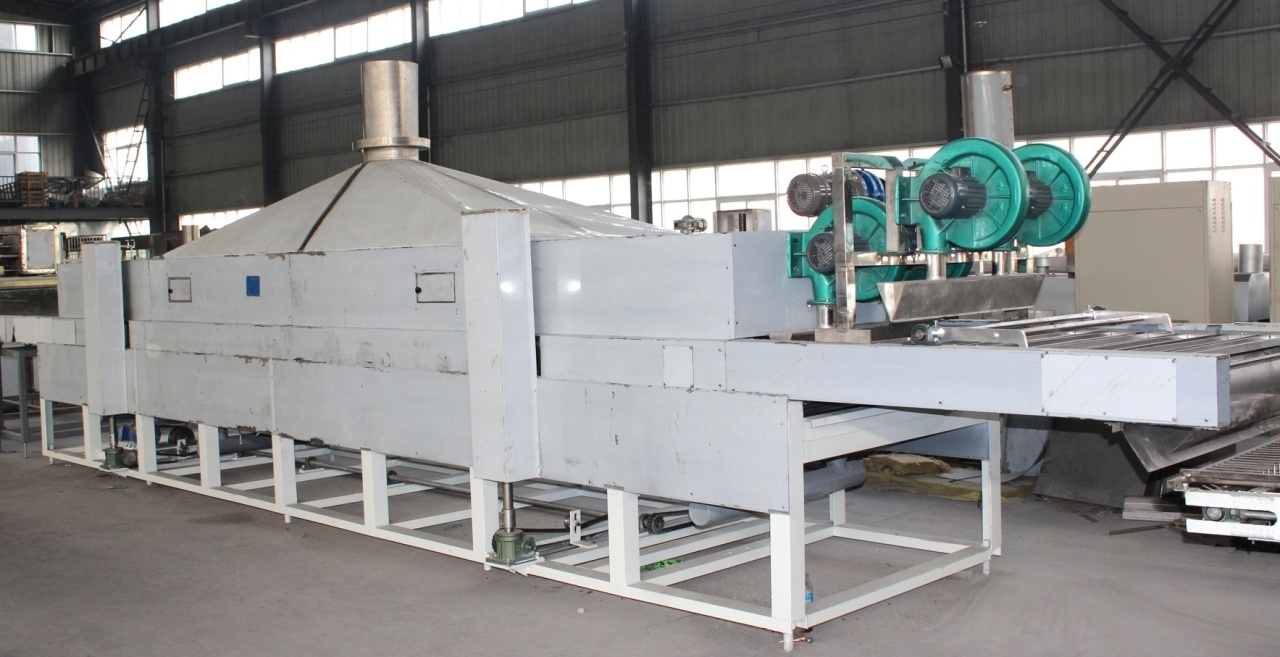
A quality deep-fried instant noodle production line is designed to automate several stages of noodle production, ensuring efficiency and consistency. The process typically begins with the mixing of ingredients, primarily flour, water, and various seasonings, to form a dough. An important aspect here is the dough's hydration level, which influences the final product's texture. Quality machinery ensures that the mixing process is uniform, leading to a consistent dough that is easy to process.
Once the dough is prepared, it is rolled out and cut into noodle strands. This stage often employs advanced cutting technology that contributes to uniform thickness and length, which are crucial factors in determining cooking times and final product quality. The importance of precision in this stage cannot be overstated, as irregularities can lead to uneven cooking and a subpar end product.
After the noodles are cut, they undergo frying, which is a defining characteristic of deep-fried instant noodles. The frying process not only enhances flavor but also serves to dehydrate the noodles, allowing for a longer shelf life. Quality production lines utilize temperature-controlled frying systems to achieve optimal results, ensuring that the noodles are crispy on the outside while remaining tender on the inside. The use of high-quality cooking oil and proper frying times is essential to maintain the nutritional value and taste of the noodles.
Cooling systems are another vital component of a quality deep-fried instant noodle production line. After frying, the noodles must be cooled rapidly to prevent them from becoming soggy. Efficient cooling systems contribute to the quality and shelf stability of the final product.
Finally, packaging plays a crucial role in preserving the quality of deep-fried instant noodles. High-quality packaging not only protects the noodles from external elements but also enhances their visual appeal on store shelves. Automated packaging machines ensure that the noodles are sealed properly, extending their shelf life and maintaining freshness.
A quality deep-fried instant noodle production line encompasses several key processes and technologies that work together to deliver a product that meets consumer expectations. From dough preparation to frying, cooling, and packaging, each step is vital in ensuring that the noodles retain their appealing taste and texture. Understanding these processes can help manufacturers optimize their production lines, ultimately leading to a successful and high-quality noodle product.
Related Links
Contact Information
Guojian Machinery Manufacturing Co., Ltd.
Factory Address:No.5288-8,Heshuo Blvd, Industrial Gathering Area ,Wuzhi Country Jiaozuo City, Henan Province
Copyright © 2024 Guojian Machinery Manufacturing Co., Ltd. Supports IPV6