




What Are The Future of Noodle Production Lines
Time:
12 Mar,2025
1. Introduction to Noodle Production
The global noodle market has experienced substantial growth, driven by consumer demand for convenience and variety. As such, noodle production lines have become pivotal in the food processing machinery sector. With the continual rise in demand for high-quality noodles, manufacturers are increasingly focused on optimizing their production processes to ensure efficiency and sustainability.
Noodle production involves numerous stages, from mixing flour and water to the final packaging of the product. Each of these stages must be carefully managed to ensure the consistency and quality of the noodles. As a result, modern noodle production lines integrate cutting-edge technologies that streamline operations, reduce waste, and enhance overall productivity.
2. The Importance of Automation in Noodle Production
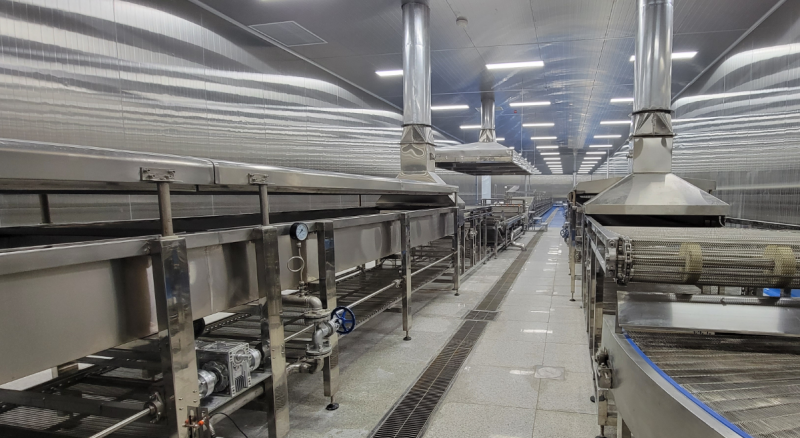
Automation plays a crucial role in modernizing noodle production lines. It involves the use of machinery and technology to carry out production tasks that would otherwise require significant human labor. By automating various processes, manufacturers can achieve several key benefits:
Increased Production Speed
Automation drastically increases the speed at which noodles are produced. Advanced machinery can operate continuously, reducing downtime and allowing for higher output rates. This efficiency is essential for meeting consumer demand, especially during peak seasons.
Consistency and Quality Control
Automated systems ensure that every aspect of noodle production—from mixing ingredients to cutting and drying—is performed with precision. This consistency leads to a uniform product, which is vital for maintaining brand reputation and meeting regulatory standards.
Labor Cost Reduction
While the initial investment in automated equipment may be substantial, the long-term savings on labor costs are significant. By reducing the number of manual tasks, companies can allocate their workforce to more strategic roles, enhancing overall operational efficiency.
3. Technological Advancements in Noodle Manufacturing
The landscape of noodle production is evolving with the introduction of innovative technologies. Here are some of the most impactful advancements that are shaping the future of noodle production lines:
Smart Manufacturing Systems
Smart manufacturing incorporates IoT (Internet of Things) devices that facilitate real-time monitoring of production processes. These systems can collect data on machine performance, ingredient quality, and environmental conditions, enabling manufacturers to make informed decisions that enhance efficiency.
Robotic Process Automation (RPA)
Robots are increasingly deployed in noodle production for tasks such as packing, sorting, and quality inspection. RPA streamlines operations and minimizes human error, resulting in lower production costs and enhanced safety.
Energy-Efficient Technologies
With growing concerns about environmental sustainability, energy-efficient technologies are becoming essential in noodle production. From energy-efficient ovens to optimized drying processes, these advancements help reduce the carbon footprint of manufacturing operations.
4. Sustainable Practices in Noodle Production
Sustainability is no longer just a trend; it is a necessity within the food production industry. Noodle manufacturers are adopting sustainable practices to comply with regulations, respond to consumer preferences, and minimize their environmental impact.
Responsible Sourcing of Ingredients
Manufacturers are increasingly focusing on sourcing ingredients that are grown using sustainable practices. This includes selecting local suppliers that employ eco-friendly farming methods, thereby reducing transportation emissions and supporting local economies.
Waste Management Solutions
Implementing effective waste management solutions is essential for reducing the environmental impact of noodle production. Many companies are now recycling by-products, such as noodle scraps, into animal feed or compost, thus minimizing waste and promoting a circular economy.
Water Conservation Techniques
Water is a critical resource in noodle production, and manufacturers are adopting water conservation techniques to reduce consumption. This includes reusing water in various stages of production and utilizing advanced filtration systems to ensure water quality while minimizing waste.
5. Quality Control Processes in Noodle Production Lines
Quality control is paramount in noodle production, as it directly affects product safety and customer satisfaction. Manufacturers implement robust quality control processes to ensure that every batch of noodles meets established standards.
Raw Material Testing
Before production begins, raw materials such as flour and water must undergo rigorous testing for quality. This includes assessing protein content, moisture levels, and absence of contaminants, ensuring that only the best ingredients are used in the final product.
In-Process Monitoring
During the production process, continuous monitoring is essential. Automated systems can track variables such as temperature, humidity, and mixing times. This real-time data allows for immediate adjustments, ensuring that production remains within specified parameters.
Final Product Inspection
Once the noodles are packaged, a final inspection is conducted to ensure that they meet quality standards. Various tests may be performed, including texture analysis and sensory evaluations, to confirm that the product aligns with consumer expectations.
6. Integrating AI and Machine Learning in Production
Artificial Intelligence (AI) and Machine Learning (ML) are emerging as powerful tools in noodle production. These technologies enable manufacturers to analyze vast amounts of data and make predictions that can optimize production processes.
Predictive Maintenance
AI algorithms can analyze machine performance data to predict potential failures before they occur. This predictive maintenance not only reduces downtime but also extends the lifespan of equipment, ensuring smooth operations.
Data-Driven Decision Making
Machine learning models can assess production data to identify inefficiencies and suggest process improvements. By leveraging data-driven insights, manufacturers can enhance productivity and reduce operational costs.
7. Case Studies: Successful Implementation of Modern Production Lines
To understand the impact of modern noodle production lines, we can examine a few successful case studies that highlight the benefits of adopting advanced technologies.
Case Study 1: Automating a Traditional Noodle Factory
A traditional noodle factory faced challenges with inconsistent product quality and high labor costs. By implementing automation and smart manufacturing systems, the company increased production speed by 50% and significantly improved quality control, resulting in a 30% increase in market share within a year.
Case Study 2: Sustainable Practices in Action
A leading noodle manufacturer adopted sustainable practices by sourcing organic ingredients and minimizing waste. This commitment to sustainability not only enhanced the brand's reputation but also attracted a new customer base, leading to a 40% increase in sales over two years.
Case Study 3: AI-Enhanced Production Efficiency
A company integrating AI into its production line was able to reduce energy consumption by 25% through optimized scheduling and predictive maintenance. This efficiency not only lowered operational costs but also contributed to the company’s overall sustainability goals.
8. Future Trends in Noodle Production Lines
Looking towards the future, noodle production lines will continue to evolve with emerging trends that prioritize efficiency, sustainability, and quality.
Increased Customization
As consumer preferences shift towards personalized food options, manufacturers will likely invest in technology that allows for greater customization of noodle types, flavors, and packaging.
Enhanced Supply Chain Transparency
Blockchain technology may be leveraged to improve transparency in the supply chain. This will enable consumers to trace the origin of their noodles, fostering trust and accountability.
Integration of Robotics and Automation
The ongoing advancements in robotics will lead to even more sophisticated automation solutions within noodle production lines. Collaborative robots (cobots) will assist human workers, enhancing efficiency while maintaining safety.
9. Conclusion
The future of noodle production lines is bright, characterized by advancements in technology, sustainability practices, and a focus on quality. By embracing automation and innovative practices, manufacturers can enhance efficiency and meet the growing demands of consumers. As the industry continues to evolve, businesses that invest in modern production techniques will undoubtedly thrive in the competitive landscape of food processing machinery.
Related Links
Contact Information
Guojian Machinery Manufacturing Co., Ltd.
Factory Address:No.5288-8,Heshuo Blvd, Industrial Gathering Area ,Wuzhi Country Jiaozuo City, Henan Province
Copyright © 2024 Guojian Machinery Manufacturing Co., Ltd. Supports IPV6